
ENGINE COLD TEST
Test every engine without firing it. An active dynamometer drives the engine through a defined speed profile while torque, oil pressure, temperatures and fuel injection are measured, and the TRex software turns every run into an automatic engine condition report.
A cold test runs the engine without combustion. Because no fuel is burned, faults that would normally only show up on a firing test bench, or later in the vehicle, are found in a short, clean and safe test cycle.
The same bench serves overhaul lines and end-of-line testing. Each engine is compared against reference runs, so the result is a clear pass or fail with the reason behind it.
We design and build the dynamometer, the conditioning units and the control software ourselves, and we deliver the bench under single-source responsibility. The bench is adapted to your engine family with an intermediate frame and fixtures for each engine type, for all engine types and sizes.
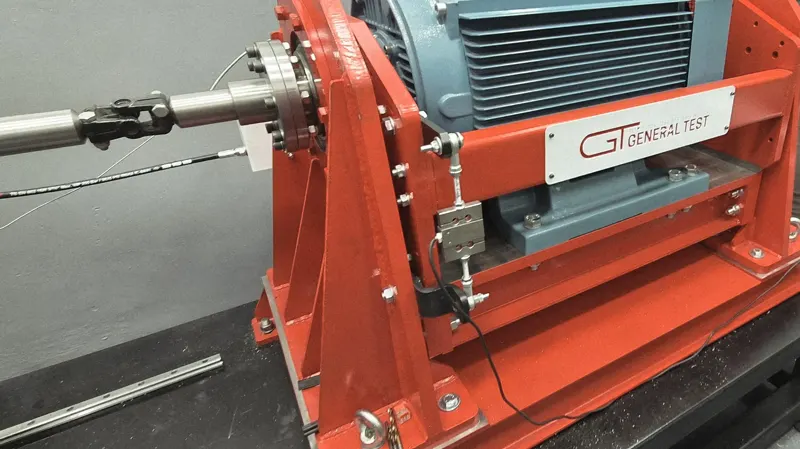
No fuel is burned and no exhaust extraction or fuel-rated test cell is needed. The bench can stand on the production or overhaul floor.
A full speed profile with measurements takes minutes, which suits every engine on a line, not only samples.
Assembly and overhaul faults are caught before the engine is fitted, when fixing them is cheapest.
Every run ends with a report that states the engine condition: compression, friction, oil pump and injection.
An engine cold test (motored test) drives the engine with an external machine instead of running it on its own fuel. Torque, pressures and temperatures measured at defined speeds reveal the mechanical condition of the engine without combustion.
All engine types and sizes. The dynamometer is sized to the engine and each engine type gets its own intermediate frame and fixtures, so one bench can serve a whole engine family.
Yes. The fuel system is supplied with test fluid instead of fuel, and injection pressure and injector function are measured during the cold test.
The measured values at each speed step and an engine condition assessment: compression balance, friction, oil pump behaviour and injection, each compared with the reference runs and limits.
Send us your engine types, the tests you plan to run and your target cycle time. Our engineers reply within one business day.
Request a Quote