
ENGINEERING & SERVICES
From configuration to installation, calibration to maintenance — single-source lifetime support for your test facility.
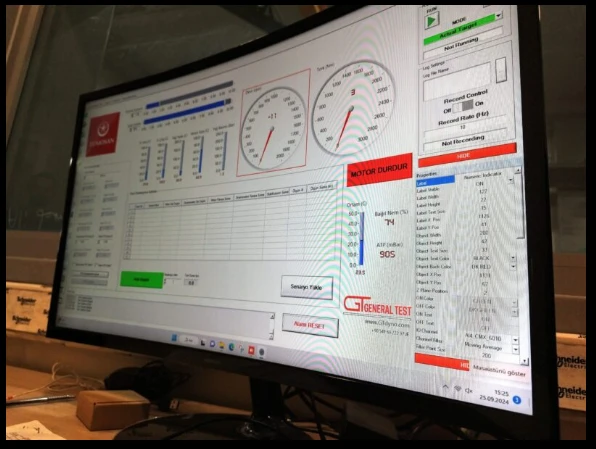
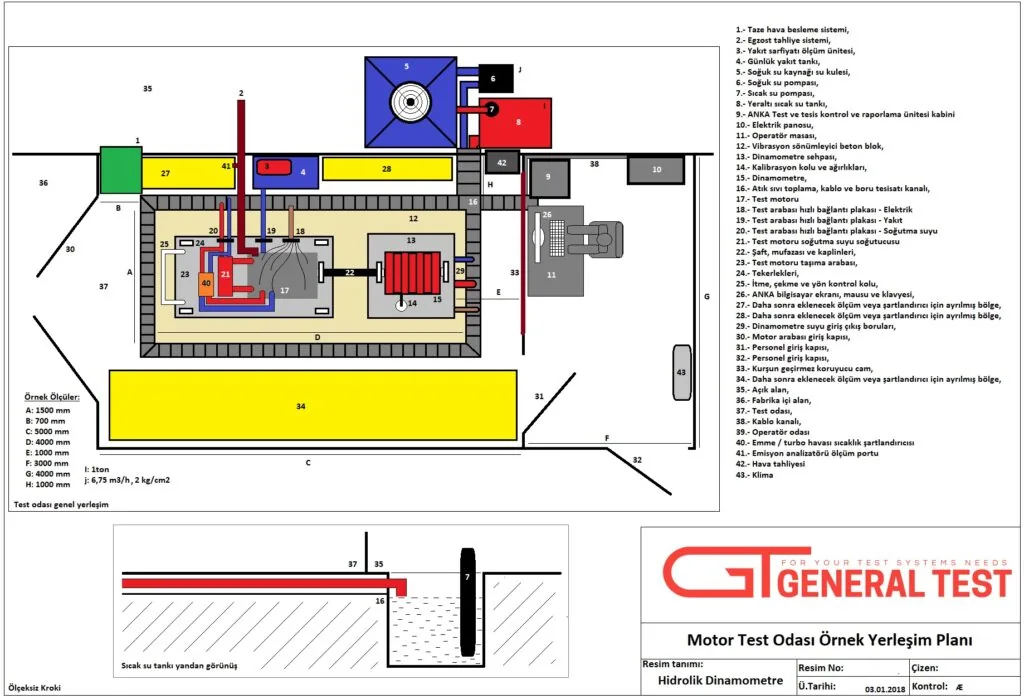
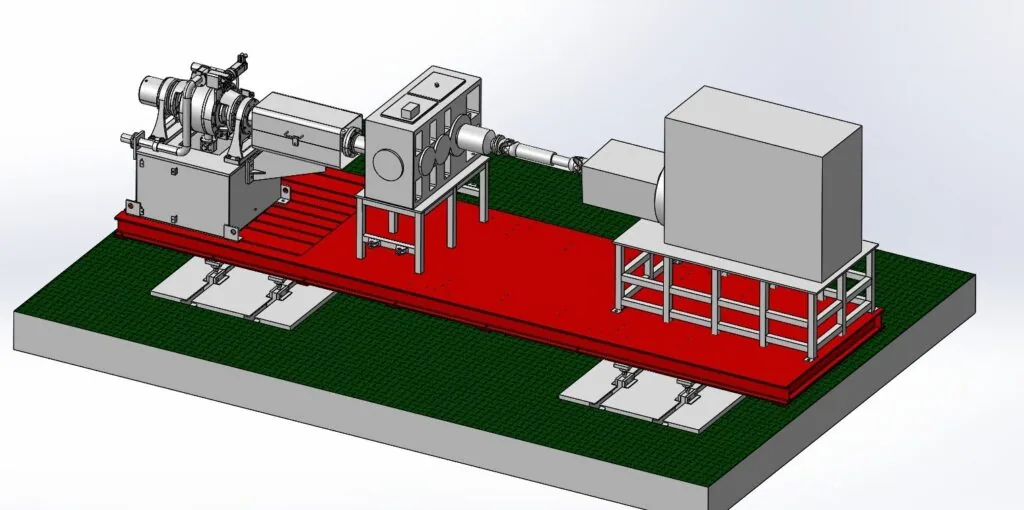
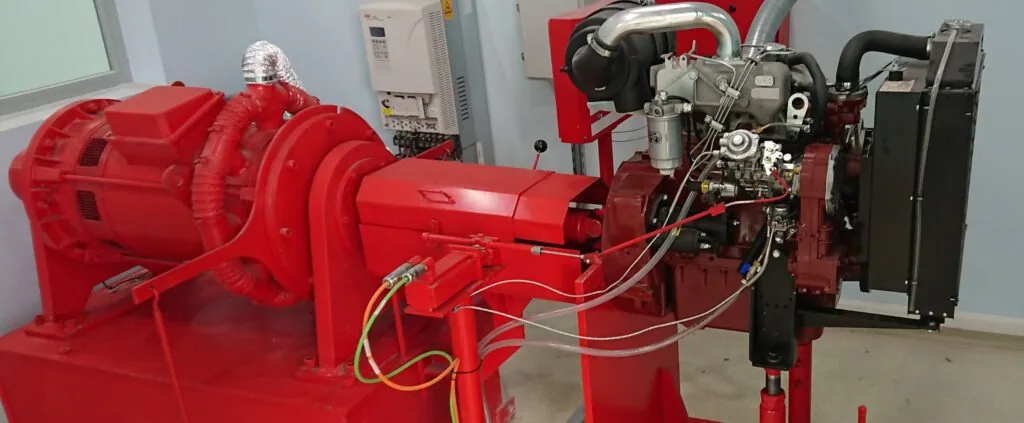
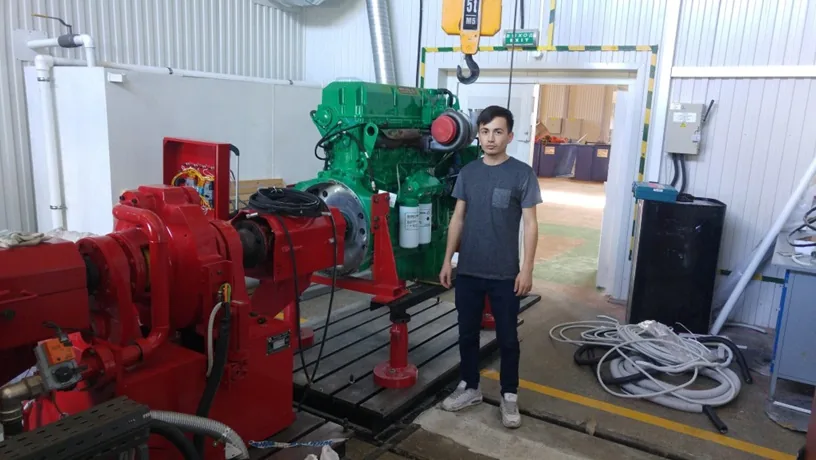

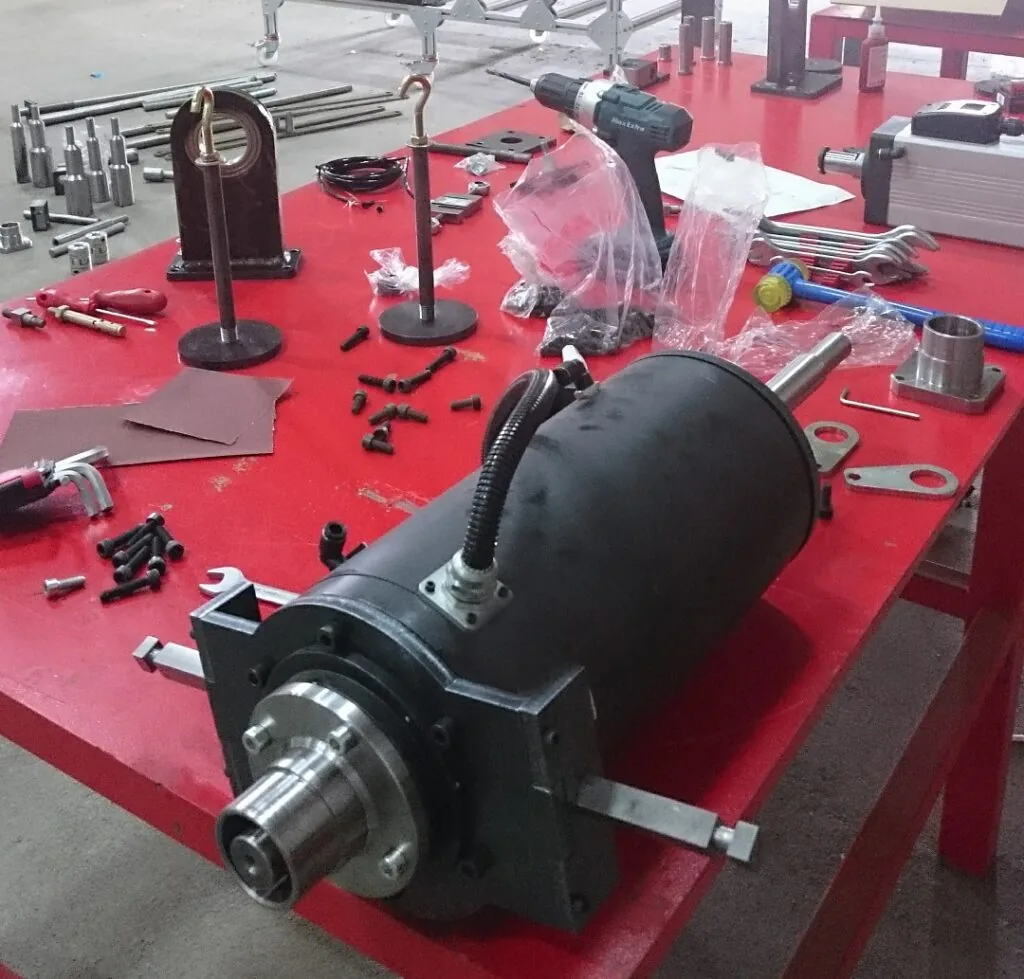
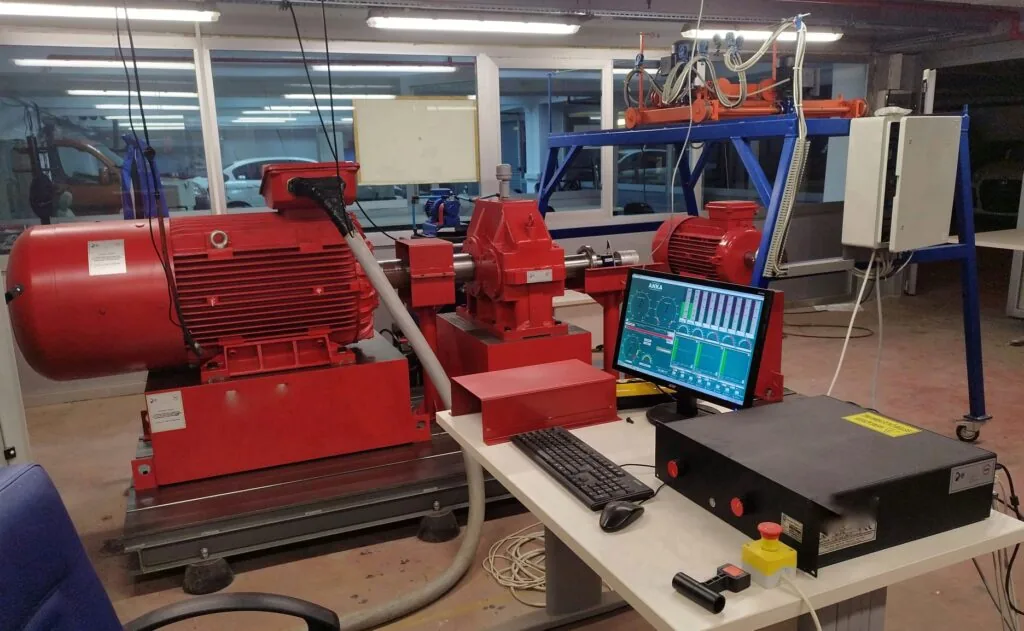
We provide end-to-end engineering for test systems and facilities covering engines, transmissions, electric motors, transaxles, power packs and any rotating machinery operating under load. We run the project as the single responsible party, from needs analysis through commissioning and after-sales support.
We stay with you throughout the life of the facility we install. With calibration, precise alignment, preventive maintenance, overhaul and modernization services we keep your test facility continuously operational and its measurement reliability intact.
We offer flexible solutions from improving the efficiency of your existing test cell, to project-specific machine and software manufacturing, to having tests performed without building your own facility.
The most common problem in test facility projects arises at the interfaces between different suppliers: when the dynamometer comes from one company, the control unit from another and conditioning from a third, responsibility gaps appear and in the event of a fault the parties point at each other. Because GT produces every device used in the facility with its own engineering, it takes on the project as the single responsible party; interface issues are resolved at the design stage.
This approach also shortens the project schedule. Managing the supply chain from a single hand allows manufacturing and shipment to be synchronized with the project plan. Change requests arising during on-site integration are met quickly because we own the source code and design of both software and hardware; no third-party approval is awaited.
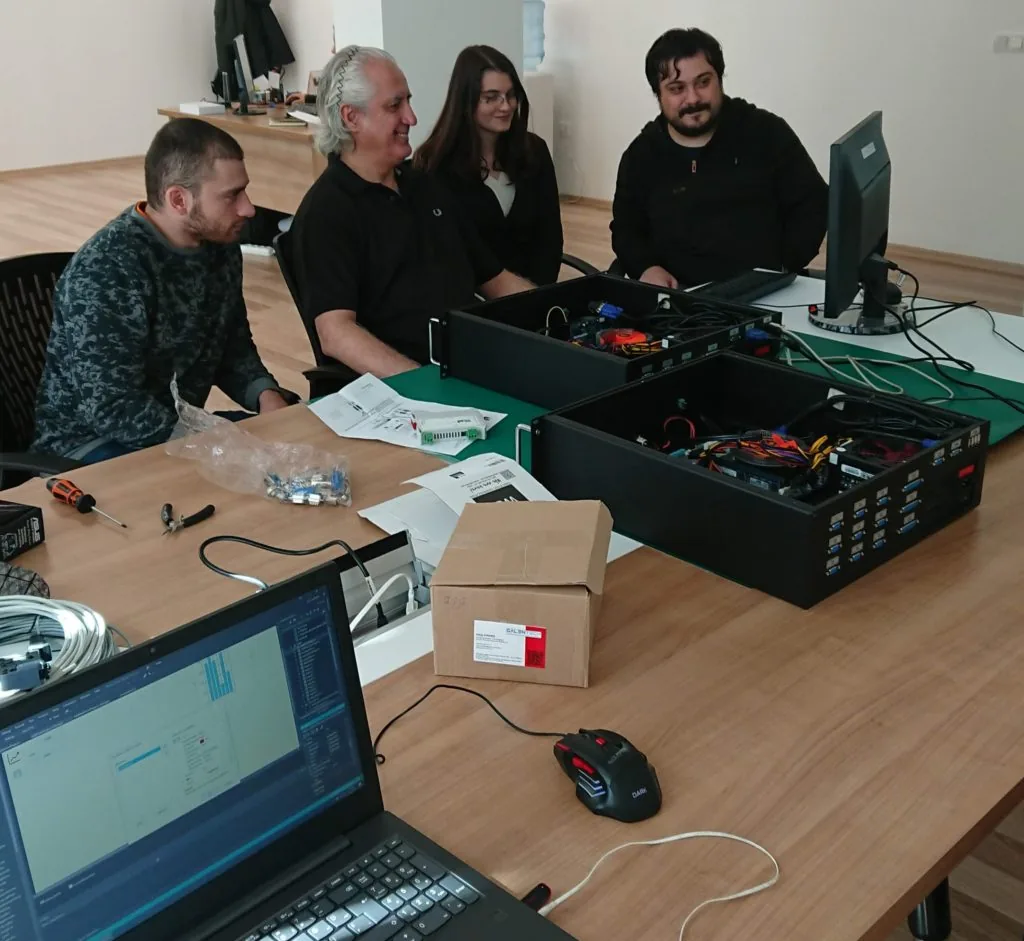
The efficiency of a test facility is directly proportional to the competence of the team operating it. During commissioning, operators are trained on system use, building test steps and defining safety limits; the design team is trained on re-parameterization and data interpretation. Training is delivered on the actual facility configuration using the customer’s own test scenarios.
The most tangible benefit of domestic manufacturing appears after the sale. Spare parts are supplied without waiting for overseas lead times; the service team works in the same country and time zone. With correct maintenance our hydraulic dynamometers deliver 30–40 years of flawless service; legacy devices are modernized with modern control units to bring measurement quality up to date. This is an approach that extends the life of the investment and lowers total cost of ownership.
Not every organization needs to build its own test facility. For companies whose test need is periodic, who wish to run a feasibility study before investing, or whose capacity is temporarily insufficient, we offer test cell rental and testing services. Tests are carried out at our facility, under the supervision of GT engineers and according to the customer’s test specification.
This service also strengthens the investment decision: which dynamometer type, which level of automation and which measurement set are genuinely required becomes visible through real tests. For customers who decide to build their own facility this experience translates directly into a specification and prevents unnecessary investment.
For long-term projects it is also possible to assign a test administrator to work at the customer’s facility, so the customer can continue test activities without interruption until their own team is trained.
The most critical stage in test facility investment is preparing the right specification. An incomplete or excessive specification leads either to a facility that fails to meet the need or to unnecessary cost. In specification preparation, the current and future power-torque-speed envelope of the product family to be tested, test types, standard requirements, automation level and reporting expectations are clarified. We can also carry out this work as consultancy before any tender.
Throughout the project, interfaces with existing operations are identified in advance: electrical infrastructure, cooling water source, exhaust extraction, crane access and occupational safety requirements. Planning these points prevents unexpected stoppages and extra costs on site. The project plan sequences manufacturing, shipment, integration and commissioning in harmony with the customer’s production schedule.
The value of test results depends on the traceability of measurement. In our calibration service the torque measurement chain is verified using known weights and the calibration arm; speed, temperature, pressure and flow channels are compared against reference instruments. At the end of the process a calibration report showing measurement uncertainty and deviations is issued. This report can be placed directly into the customer’s own quality documentation and attached to the test reports they present to their customers.
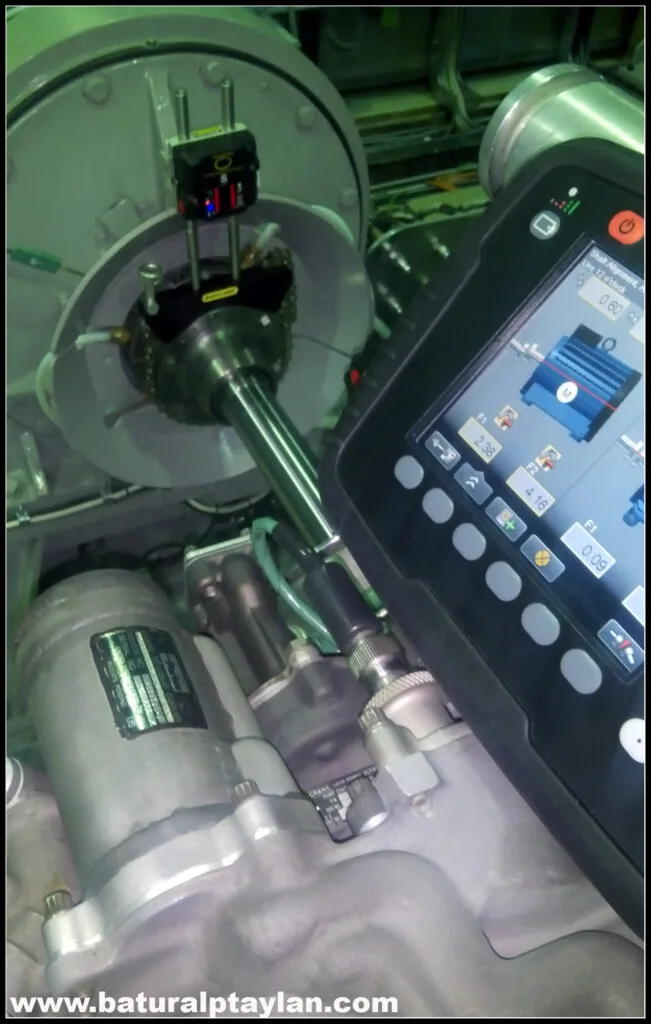
Precise shaft alignment is often overlooked yet its consequences are the most expensive. Misalignment between engine and dynamometer shortens coupling life, causes bearing failure, raises vibration levels and introduces noise into torque measurement. Periodic checks with laser alignment equipment prevent both failure-related downtime and measurement error.
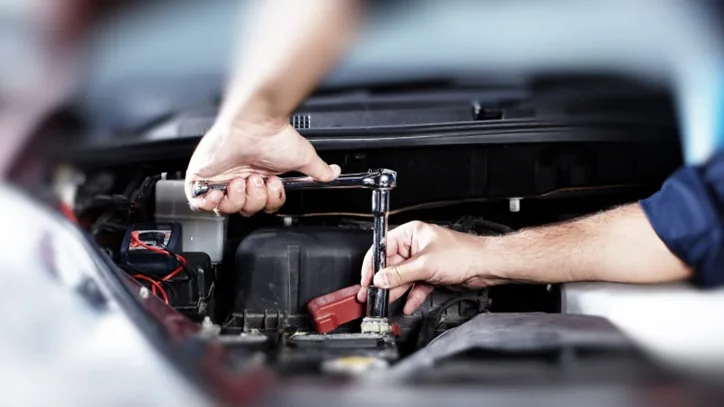
Our preventive maintenance programme covers water circuit and seal checks, bearing condition monitoring, inspection of load cell and cable connections, control unit software updates and spare part stock planning. Planned maintenance is far less costly than unplanned downtime and protects the test schedule.