TRex - SYS.EOL · END-OF-LINE TEST SYSTEMS
Every unit, the same recipe, a clear decision. We design and build EOL test benches for engines, transmissions, electric motors and vehicles — dynamometer, fixtures, control and reporting from one manufacturer.
An end-of-line test bench is judged by different criteria from a development bench. It runs the same test thousands of times, often operated by line personnel, and its result decides whether a unit ships.
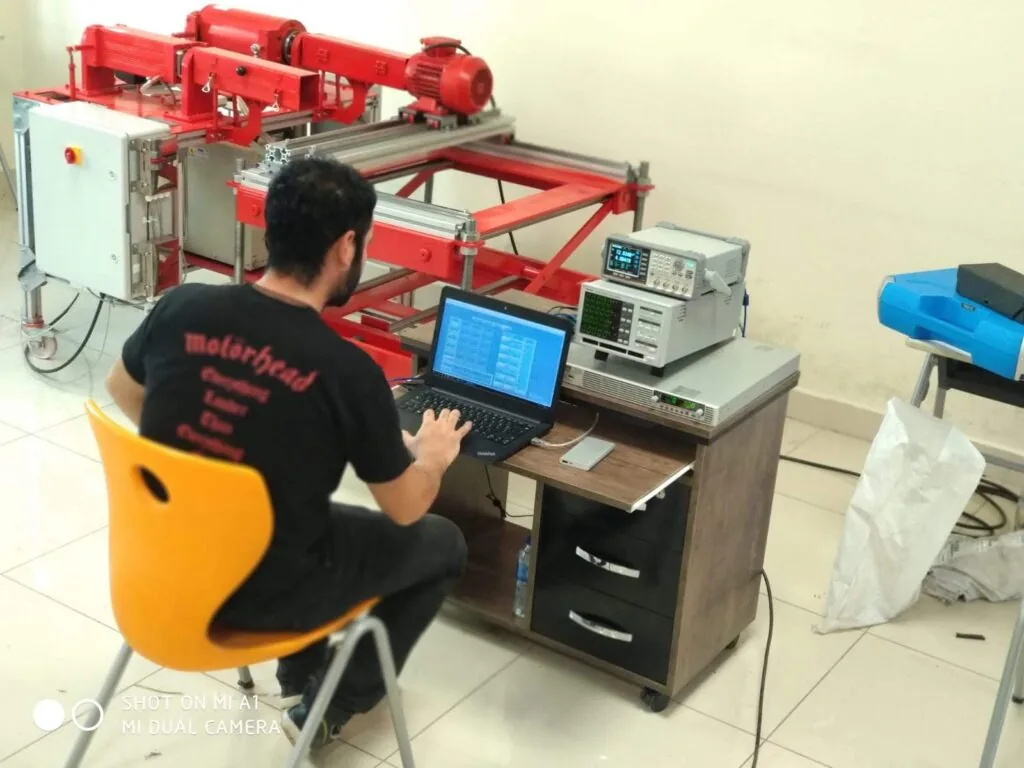
Our end-of-line benches are built around cycle time, repeatability and traceability; every unit leaves the line with a report linked to its serial number.
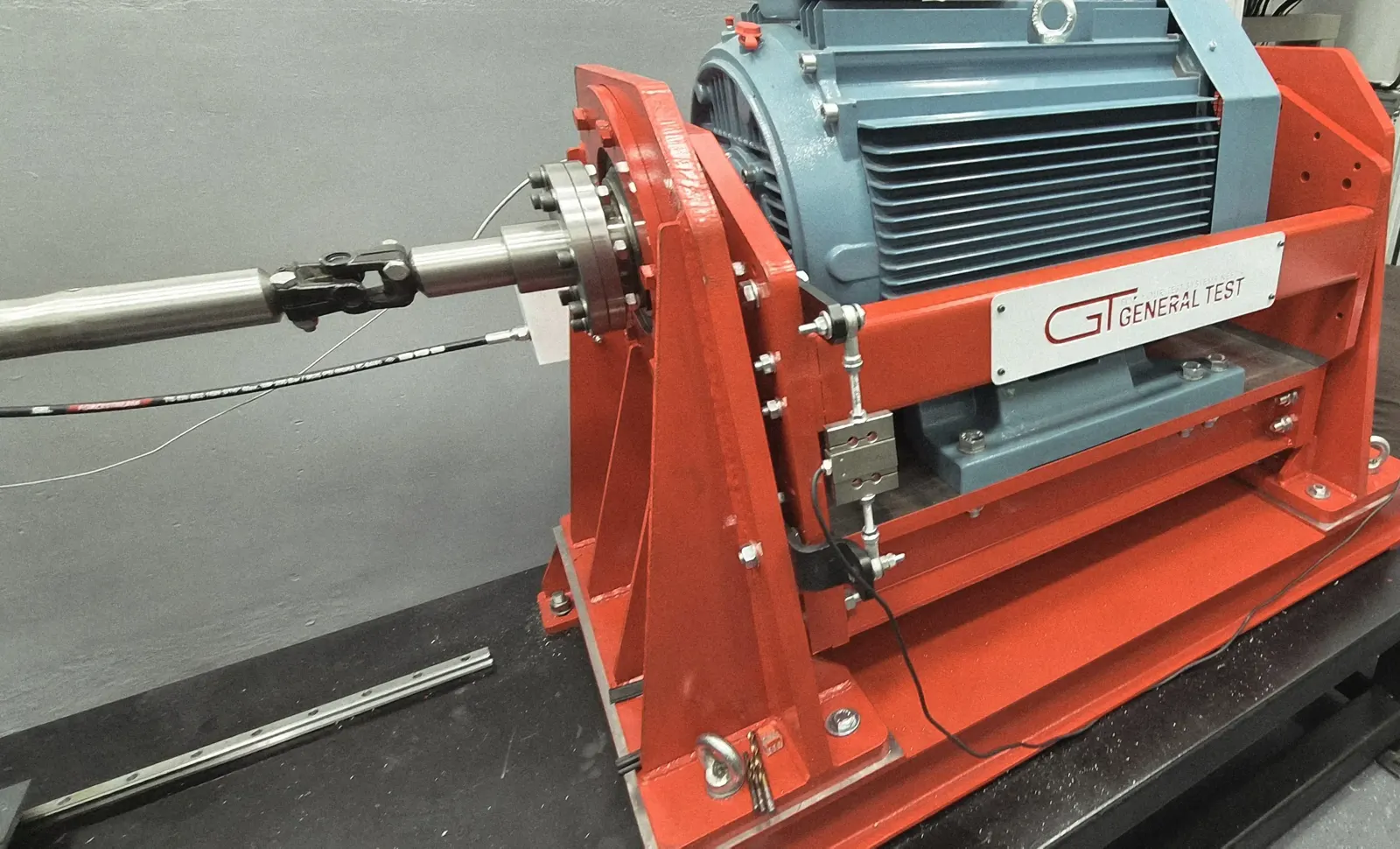
Cold test benches that motor the engine without combustion and evaluate compression, friction and oil pressure, and hot test benches on hydraulic or eddy-current dynamometers for loaded runs.
Active input drive in both directions with automated shift sequences, temperature and pressure checks, and an optional loaded output for performance verification.
Roll test benches and inspection stations for complete vehicles — conventional and electric — combined into one end-of-line test line. Station list below.
A vehicle EOL line is assembled from stations matched to the vehicle class and the checks your production or homologation process requires. Each station reports to the same TRex database, so every vehicle leaves the line with one consolidated report.
Our TRex platform manages recipes, limits, operator steps and reports on every EOL bench we deliver. Because the software is ours, the recipe logic, the report layout and the plant interface are adapted to your line rather than worked around.
For electric motors, EOL benches are built on active dynamometers that drive and load the motor in both directions. Integration with third-party measurement systems and plant software is handled as part of the project.
Engine overhaul line: every rebuilt engine is mounted on a carrier with quick connection adapters, motored on a cold test bench through a fixed speed profile, and compared with limits derived from reference engines. TRex issues an engine condition report for each serial number before the engine leaves the line.
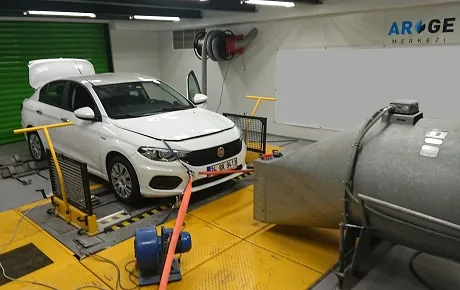
Brake, speedometer, side slip and headlamp checks, plus insulation and BMS calibration for electric vehicles, come together in one line data flow.
An EOL test bench tests every unit leaving a production or overhaul line against a fixed recipe and fixed limits. Unlike an R&D bench it is designed around cycle time, repeatability and traceability: each unit gets a pass/fail decision and a report linked to its serial number.
A cold test motors the engine with a dynamometer without combustion and evaluates compression, friction and oil pressure; it is fast, clean and needs no fuel or exhaust handling. A hot test runs the engine under its own power and load. The choice depends on what defects the line must catch and the cycle time available.
Limits are derived from reference runs on known-good units and refined as production data accumulates. TRex stores the limits per product type, so the recipe and its limits are versioned together.
Brake, ABS, speedometer, side slip, suspension, wheel alignment and headlamp stations, plus high-voltage insulation checks and battery management system calibration for electric vehicles. The station mix is configured for the vehicle class and the inspection scope required.
Yes. Integration with plant systems such as MES is part of our integration service; results can be written per serial number to the system you already use.
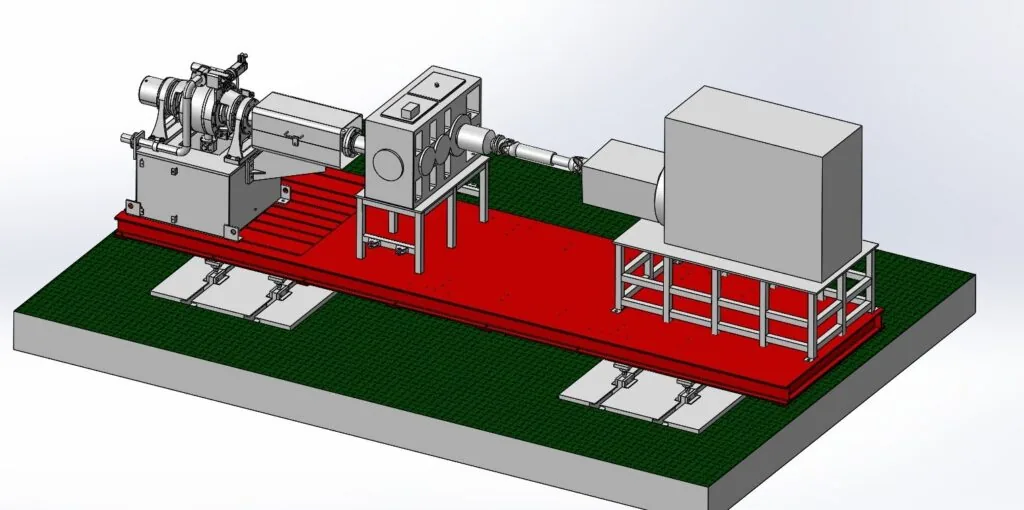
As Türkiye’s only domestic hydraulic dynamometer manufacturer, we design, build and commission the complete test system in Istanbul, from the dynamometer to the control software.
Send us the torque and speed envelope, the tests you plan to run and your facility constraints. Our engineers reply within one business day.
Request a Quote